

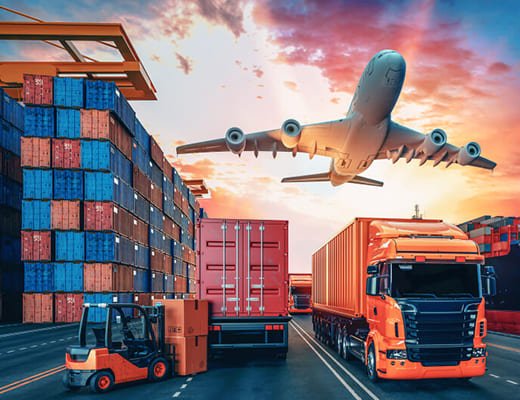
- Beyond the Horizon: Emerging developments and current news redefine global strategy.
- The Evolving Landscape of Geopolitics
- The Impact of Emerging Technologies
- Economic Shifts and Global Trade
- Climate Change and Environmental Sustainability
- The Role of International Organizations
- The Future of Global Governance
Beyond the Horizon: Emerging developments and current news redefine global strategy.
In an era defined by rapid transformation, staying abreast of current developments is paramount. The constant flux of information, often referred to as news, profoundly impacts global strategy, economic landscapes, and geopolitical dynamics. This article delves into the emerging trends and pivotal current events that are reshaping our world, offering insights into their implications and potential future trajectories. Understanding these shifts is crucial for informed decision-making in all aspects of life, from personal investments to international policy.
The Evolving Landscape of Geopolitics
Geopolitical tensions are currently at a significant point. The interplay between major world powers is becoming increasingly complex, marked by shifting alliances and competitive pressures. Factors such as resource scarcity, technological advancements, and ideological differences contribute to a landscape filled with uncertainty. Observing these changes is important for global stability. The rise of new economic and military powers further complicates the equation, challenging the established world order.
Specifically, regional conflicts and proxy wars continue to escalate in several parts of the world, diverting resources and exacerbating humanitarian crises. These conflicts are often fueled by external actors with competing interests, contributing to their protracted nature and hindering peaceful resolutions. Analyzing these conflicts requires a nuanced understanding of the underlying causes and the intricate web of relationships involved.
Diplomacy, while essential, appears to be losing ground to more assertive and sometimes confrontational approaches. This trend necessitates a reassessment of existing diplomatic strategies and a renewed focus on building trust and fostering cooperation among nations. The future of global stability depends on finding ways to navigate these challenges and promote a more peaceful and inclusive world order.
The Impact of Emerging Technologies
Technological advancements are profoundly reshaping the geopolitical landscape. Artificial intelligence (AI), cybersecurity, and space exploration are emerging as critical domains of competition and cooperation. The development and deployment of AI technologies have the potential to revolutionize various sectors, including defense, healthcare, and finance. However, they also raise ethical concerns and create new vulnerabilities.
Cybersecurity has become an increasingly pressing issue, as states and non-state actors engage in cyber warfare and espionage. Protecting critical infrastructure and sensitive data from cyberattacks is paramount for national security and economic stability. International cooperation on cybersecurity is essential to deter malicious activities and establish norms of responsible behavior in cyberspace.
Space exploration is no longer solely the domain of governments; private companies are playing an increasingly prominent role. The commercialization of space is driving innovation and creating new economic opportunities, but it also raises concerns about the potential for weaponization and the equitable access to space resources. Monitoring these developments are important for maintaining space security.
Economic Shifts and Global Trade
Global economic patterns are undergoing a significant transformation. The rise of emerging markets, particularly in Asia, is challenging the traditional dominance of developed economies. This shift in economic power is reshaping global trade flows and creating new investment opportunities. The global supply chain disruptions of the last few years have highlighted the vulnerabilities of interconnected economies.
Protectionist measures and trade wars are increasing, hindering economic growth and exacerbating geopolitical tensions. The imposition of tariffs and other trade barriers disrupts supply chains, increases costs for consumers, and hinders innovation. Promoting free and fair trade is essential for fostering economic prosperity and maintaining global stability.
Furthermore, the transition to a more sustainable and circular economy is gaining momentum. Investments in renewable energy, green technologies, and sustainable infrastructure are crucial for mitigating climate change and creating a more resilient economy. However, this transition also requires careful planning and coordination to ensure a just and equitable distribution of costs and benefits.
| Region | Key Economic Indicator | Growth Rate (%) |
|---|---|---|
| East Asia | GDP | 6.2 |
| Southeast Asia | Foreign Direct Investment | 8.5 |
| Latin America | Inflation Rate | 4.8 |
| Sub-Saharan Africa | Consumer Spending | 3.1 |
Climate Change and Environmental Sustainability
Climate change remains one of the most pressing challenges facing humanity. The increasing frequency and intensity of extreme weather events, such as hurricanes, droughts, and floods, are causing widespread devastation and displacement. The scientific evidence overwhelmingly demonstrates that human activities are the primary driver of climate change. The consequences of inaction are dire, potentially leading to irreversible environmental damage and existential threats.
International cooperation is essential to address climate change effectively. The Paris Agreement provides a framework for reducing greenhouse gas emissions and mitigating the impacts of climate change, but its implementation requires ambitious commitments and collective action from all nations. Investing in renewable energy, improving energy efficiency, and promoting sustainable land management practices are crucial steps.
Environmental sustainability is not just an environmental issue; it is also an economic and social imperative. Protecting biodiversity, conserving natural resources, and promoting sustainable agriculture are essential for ensuring long-term prosperity and well-being. Integrating sustainability considerations into all aspects of decision-making is paramount for creating a future where both people and the planet can thrive.
- Reducing greenhouse gas emissions
- Investing in renewable energy sources
- Promoting sustainable agricultural practices
- Conserving biodiversity and ecosystems
- Developing climate resilience strategies
The Role of International Organizations
International organizations play a critical role in addressing global challenges. The United Nations (UN) provides a forum for dialogue and cooperation among nations, promoting peace and security, sustainable development, and human rights. However, the UN faces challenges in maintaining its relevance and effectiveness in a multipolar world. Increasing national interests sometimes impede collective action.
Regional organizations, such as the European Union (EU) and the African Union (AU), also play an important role in promoting regional stability and development. These organizations can address specific challenges that are relevant to their regions, leveraging local knowledge and resources. Strengthening regional cooperation can complement and enhance the work of the UN.
However, the effectiveness of international organizations is often hampered by political divisions and a lack of resources. Reforming these organizations and enhancing their capacity to respond to emerging challenges is crucial. Promoting greater transparency, accountability, and inclusivity can improve their legitimacy and effectiveness.
| Organization | Primary Focus | Member States |
|---|---|---|
| United Nations (UN) | Global Peace & Security | 193 |
| World Trade Organization (WTO) | International Trade | 164 |
| International Monetary Fund (IMF) | Financial Stability | 190 |
The Future of Global Governance
The current system of global governance is facing increasing strain. The rise of populism, nationalism, and protectionism is challenging the multilateral order. The erosion of trust in institutions and the spread of misinformation are undermining public support for international cooperation. Reforming global governance to better address the challenges of the 21st century is essential.
Strengthening international law and institutions is crucial. This includes updating existing treaties and creating new frameworks for addressing emerging challenges. Promoting respect for international law and upholding the principles of multilateralism are essential for maintaining a peaceful and stable world order. Ensuring that international institutions are representative, inclusive, and accountable is also crucial.
Furthermore, there is a need to foster greater citizen engagement and participation in global governance. Empowering civil society organizations, promoting transparency, and utilizing digital technologies can enhance the legitimacy and effectiveness of international cooperation. Creating a more inclusive and participatory system of global governance is essential for building a more just and equitable world.
- Strengthen multilateral institutions
- Promote international law and cooperation
- Foster citizen engagement in global governance
- Address the root causes of conflict
- Invest in sustainable development
| Challenge | Potential Solution | Stakeholders Involved |
|---|---|---|
| Climate Change | International Agreements & Renewable Energy | Governments, Businesses, Citizens |
| Global Inequality | Fair Trade Practices & Social Safety Nets | Governments, NGOs, International Organizations |
| Cybersecurity Threats | Global Cooperation & Cybersecurity Protocols | Governments, Tech Companies, Security Experts |
The interconnectedness of global issues necessitates a holistic and collaborative approach. The challenges of the 21st century—from climate change to economic instability—demand coordinated responses and a shared commitment to building a more sustainable and equitable future. Continuous evaluation of the current circumstances and adaptability to change are quintessential for progress and continued stability.